This fall season, I’ve been craving sweet potatoes like never before. It started with my first nourish bowl of the season then quickly grew into something more.
When my bestie Joe hosted a Labor Day brunch, I signed up to bring home fries. As I preheated the oven, I spotted a few sweet potatoes on my counter practically calling my name.
So, I switched gears.
Instead of the usual potatoes, I made sweet potato home fries and served them over a basket of organic kale. The moment I walked in, my friends’ faces lit up. Not only did everyone go back for seconds, but I realized just how versatile—and delicious—this root vegetable really is.
That’s the beauty of nutrition in sweet potato dishes: they don’t just taste amazing, they fuel your body in powerful ways. The truth is, if you’ve ever wondered “Are sweet potatoes healthy?” or “Are sweet potatoes good for you?” the answer is always a resounding yes.
In this post, we’ll dive into that big question—“What are the benefits of eating sweet potatoes?”—and explore their harvest season, where they grow, their nutritional value, and a couple of recipes to inspire your next meal.
This blog post is all things sweet potato so hopefully you’ve figured out whether you’re in the right place.
Sweet Potato Basics


First things first!
Let’s cover the basics of timing and place for this highly desired food. As sustainability lovers, we get excited about the origins and growing season of everything we eat. Hopefully, you’ll find this information just as interesting!
When Is Harvest Season for Sweet Potatoes?
If you’re like me, you love buying and eating produce when it’s in season. Eating foods that align with the rhythms of nature is one of the easiest ways to enjoy fresher, more flavorful meals—while also supporting local farmers. The sweet potato advantage during fall is clear: this root vegetable shines at the farmers’ market from September through November.
Here in Maryland, I’ve already noticed more and more bins filled with vibrant orange sweet potatoes. Across the East Coast, the typical harvest season runs from late summer through early fall (August to November). Because they grow underground, sweet potatoes are less vulnerable to chilly weather than tender crops like tomatoes.
Their rugged skins and hearty nature make them durable and reliable.
Still, to yield a healthy crop, sweet potatoes need to be planted in mid-to-late spring so they have enough warm days to fully mature.
✨ Pro tip: Next time you visit a farm-to-table restaurant during fall, look for sweet potato dishes on the menu. It’s a delicious sign you’re eating local, seasonal ingredients—and a reminder that yes, sweet potatoes are healthy and worth adding to your plate.
Where Do Sweet Potatoes Grow?
Sweet potatoes trace their roots back to the tropical corners of Central and South America, where they were first cultivated thousands of years ago. For me, that heritage makes this crop feel almost ancestral—deeply tied to the land and traditions of Latin America.
Today, sweet potatoes thrive in warm, sandy soils around the world. In the United States, they are grown most abundantly in North Carolina (the country’s top producer), along with large harvests in California, Mississippi, Louisiana, and Florida. These regions offer the hot days and long growing seasons that sweet potatoes love.
From a sustainability perspective, the benefits of sweet potatoes extend beyond nutrition. When grown organically, they bring diversity to farmlands often dominated by monocrops. Their vines help protect soil from erosion, while their adaptability makes them a resilient, farmer-friendly crop. These sweet potato advantages make them not just a healthy food, but also a smart agricultural choice for communities and ecosystems.
Nutrition Profile of Sweet Potatoes


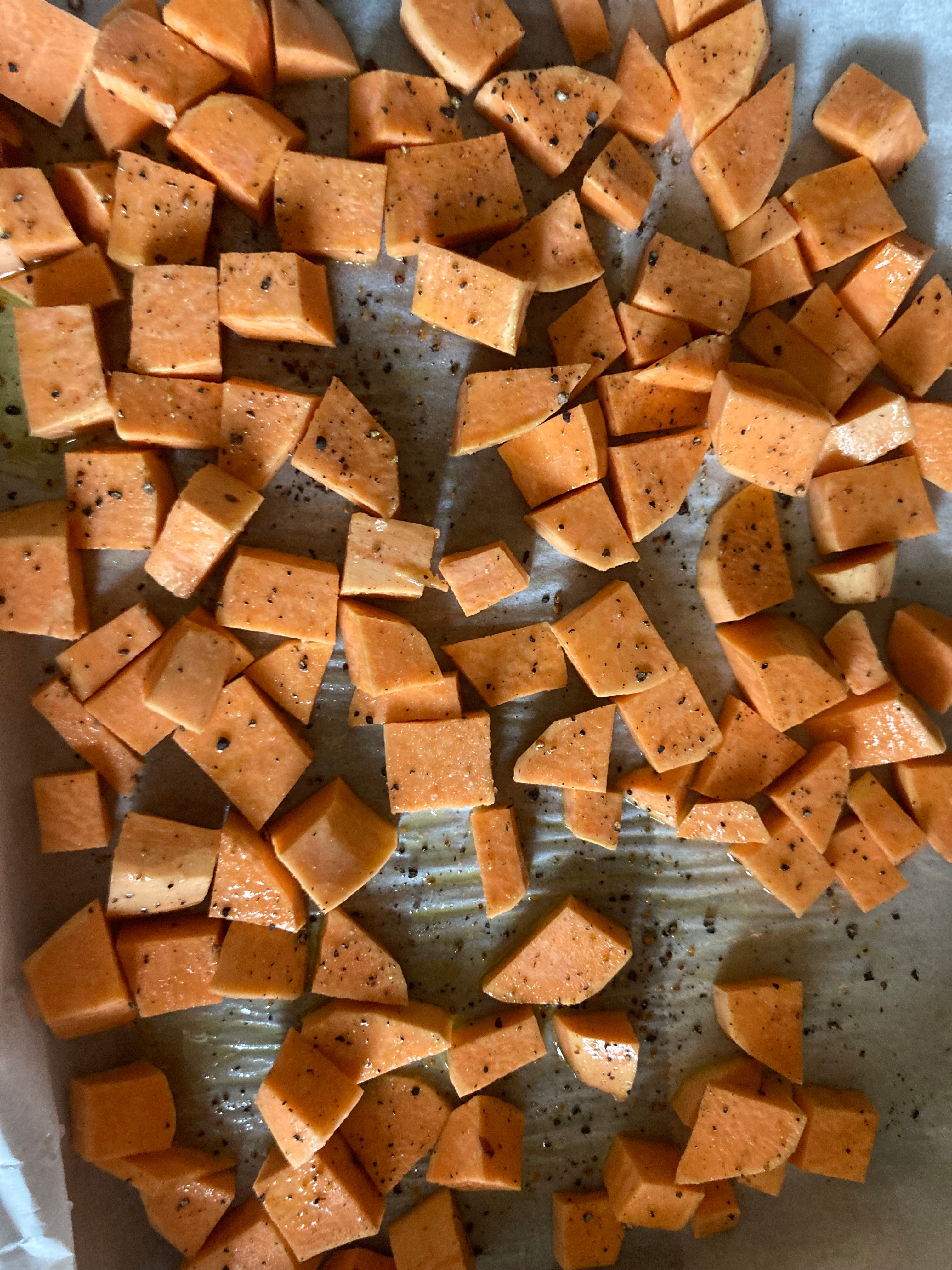

The nutritional value of sweet potatoes is what I consider all-encompassing. They’re packed with vitamins A, C, and B6, each playing a vital role in keeping your body healthy. Vitamin A (in the form of beta-carotene) supports strong vision and glowing skin, vitamin C boosts immunity and collagen production, and vitamin B6 is essential for brain health and energy.
Alongside these vitamins, sweet potatoes provide important minerals like potassium and manganese, which help regulate blood pressure, support bone strength, and fuel your body’s natural metabolism.
When it comes to calories, sweet potatoes are surprisingly light for how filling they are. The calories in a sweet potato generally range from 100–130 for a medium-sized root—making it a nutrient-dense food that doesn’t overload your daily intake.
They also deliver a steady dose of healthy carbohydrates. Compared to regular white potatoes, the carbs in sweet potatoes are digested more slowly thanks to their high fiber content, helping maintain stable blood sugar levels. Sweet potatoes also contain modest amounts of sweet potato protein, which while not as high as beans or meat, adds valuable plant-based protein to your meals.
And let’s not forget potato dietary fiber—one of the standout features of sweet potatoes. That fiber not only keeps you feeling full longer but also supports digestion, gut health, and overall satiety.
Baked Sweet Potato Nutrition
One of the best things about sweet potatoes is how well they hold onto their nutrients when cooked. Baked sweet potato nutrition remains impressive because baking preserves their fiber and most of their vitamins, unlike frying which can add unnecessary oils and diminish their health value.
So if you’re wondering, “Are sweet potatoes good for you?”—the answer is yes, especially when prepared simply. Baking, roasting, or steaming are some of the best ways to keep all the goodness intact without weighing them down.
✨ Practical tip: Bake a few sweet potatoes at the start of the week and keep them in your fridge. You can slice them onto salads, mash them into nourish bowls, or enjoy them plain with a drizzle of olive oil and herbs. It’s an easy way to meal-prep healthy sides or bases for quick weeknight dinners.
Top Health Benefits of Eating Sweet Potatoes

Join our Mailing List
Sign up with us now and be the first one to know about our exclusive offers and product updates.
By submitting your information, you`re giving us permission to email you. You may unsubscribe at any time.
If you’ve ever wondered “Are sweet potatoes healthy?”—the answer is a big yes! Their unique mix of vitamins, minerals, fiber, and antioxidants make them one of the most nourishing root vegetables you can add to your plate. Here are the 10 health benefits of sweet potatoes you’ll love:
- Rich in antioxidants
Sweet potatoes are packed with beta carotene, which the body converts into vitamin A. This powerhouse nutrient supports vision, strengthens your immune system, and keeps your skin looking radiant. - Supports gut health
Thanks to their high levels of dietary fiber, sweet potatoes feed the good bacteria in your gut and promote healthy digestion. - Balances blood sugar
With a lower glycemic index than regular potatoes, sweet potatoes release energy slowly—helping to stabilize blood sugar levels and prevent energy crashes. - Boosts immunity
The combination of vitamin C, vitamin A, and antioxidants gives your immune system a natural boost, especially during seasonal changes. - Heart-healthy nutrients
Sweet potatoes are rich in potassium, which helps regulate blood pressure and supports overall heart function. - Anti-inflammatory properties
The antioxidants in sweet potatoes fight inflammation, helping your body recover faster from stress and daily wear. - Promotes brain health
Vitamin B6 and other micronutrients in sweet potatoes play a role in brain development, focus, and memory support. - Weight management support
Their high fiber content keeps you feeling full for longer, making it easier to manage cravings and portion sizes naturally. - Source of plant-based protein
While not protein powerhouses, sweet potatoes still provide a small but valuable source of plant-based protein that contributes to a balanced diet. - Skin glow & natural energy source
The antioxidants, fiber, and steady carbs give you glowing skin and lasting energy without the spikes and crashes of processed foods.
So, when you think about the benefits of sweet potatoes, remember that they go far beyond flavor. This humble root vegetable nourishes your body from the inside out.
Sweet Potatoes vs. Regular Potatoes

Potatoes are a staple in many kitchens, but when comparing them, the nutritional profiles tell two different stories. Here’s a breakdown:
Regular Potatoes
- Calories & Carbs: Around 110–130 calories and about 35 grams of carbs per medium potato.
- Fiber: About 2 grams of dietary fiber.
- Vitamins & Minerals: Rich in potassium and vitamin C.
- Protein: About 3 grams per medium potato.
- Glycemic Index: Higher, meaning they can spike blood sugar more quickly.
Sweet Potatoes
- Calories & Carbs: Around 70–90 calories and about 27 grams of carbs per medium potato.
- Fiber: About 4 grams of dietary fiber—double that of white potatoes, making them better for digestion and fullness.
- Vitamins & Minerals: High in vitamin A (from beta carotene), plus good amounts of potassium, vitamin C, and manganese.
- Protein: About 2 grams per medium potato.
- Glycemic Index: Lower, meaning they provide steadier, longer-lasting energy.
So, Which Is Healthier?
If you’re wondering, “Is sweet potato healthier for you than potatoes?” the answer is often yes. While both are healthy and can be part of a balanced diet, the sweet potato advantages include:
- More fiber for digestion and satiety.
- More antioxidants (especially beta carotene for vision and skin health).
- A lower glycemic index, which helps balance blood sugar.
Still, both sweet potatoes and regular potatoes have their place on the table. The best choice depends on your body’s needs—but if you’re looking for a nutrient-dense, antioxidant-rich option, sweet potatoes are the clear winner
Recipes to Try at Home
Sweet potatoes aren’t just healthy, oh no. They’re delicious and incredibly versatile in the kitchen. Whether you’re roasting them for a cozy side dish or building them into a hearty bowl, these recipes showcase the benefits of sweet potatoes while keeping things simple and nourishing. There is truly so much you can mix them into your meals.
Baked Sweet Potato with Herbs & Olive Oil
Sometimes the best recipes are the simplest. Baking sweet potatoes helps preserve their nutrients, making the most of their natural sweetness while highlighting their fiber and vitamin-rich profile.
Baked sweet potato nutrition remains intact with this easy method:
- Slice medium sweet potatoes into wedges.
- Toss with olive oil, sea salt, black pepper, and your favorite fresh herbs (like rosemary or thyme).
- Roast at 400°F for 25–30 minutes until golden and tender.
This side dish pairs well with almost any protein or can be tossed into a salad for an extra fiber boost. It’s proof that the benefits of sweet potatoes come alive with just a handful of ingredients.
Sweet Potato & Lentil Nourish Bowl


For something more filling, try this Sweet Potato & Lentil Nourish Bowl. It’s a balanced, protein-packed recipe that’s perfect for meal prep or cozy dinners at home.
- Roasted sweet potatoes bring beta carotene, fiber, and a touch of natural sweetness.
- Lentils add a hearty dose of plant-based protein.
- Tossed with seasonal greens, roasted veggies, and a simple dressing, this bowl is colorful, nutrient-dense, and endlessly customizable.
You can find the full recipe on my blog: How to Cook Lentils: The Best Perfect Vegan Nourish Bowl.
Bonus Recipe: Sweetgreen Harvest Bowl Dupe (Prosciutto & Sweet Potato Bowl)


If you love Sweetgreen’s famous Harvest Bowl, you’ll love this homemade version. Featuring roasted sweet potatoes, prosciutto, apples, and a tangy dressing, it’s a cozy fall dish that brings restaurant-quality flavor to your own table.
Check out the full recipe here: Best Sweetgreen Harvest Bowl Dupe – Prosciutto & Sweet Potato Bowl.
It’s Time to Make Sweet Potatoes Your Kitchen Staple
When it comes to nourishing your body, it’s hard to beat the nutrition in sweet potato. From their vibrant orange color to their antioxidant-rich profile, sweet potatoes are both a seasonal treat and a year-round superfood.
So, what are the benefits of eating sweet potatoes? They support your overall health with digestion-friendly fiber, immunity-boosting vitamins, heart-healthy minerals, and steady, natural energy. In short, if you’ve been wondering “Are sweet potatoes good for you?” the answer is a wholehearted yes.
Beyond their health perks, sweet potatoes are versatile in the kitchen and deeply connected to the farm-to-table movement. Whether roasted simply with herbs or featured in a hearty nourish bowl, the benefits of sweet potatoes extend from your plate to the farmers who grow them.
Don’t Miss Out on the Power of Lentils!
Curious about how this humble legume can boost your health? Dive into A Breakdown of the Health Benefits of Lentils and discover why lentils are a nutritional superstar — from heart health to gut love. 🌿
👉 Read the full post now and see how adding lentils to your meals can bring more energy, balance, and nourishment to your life.