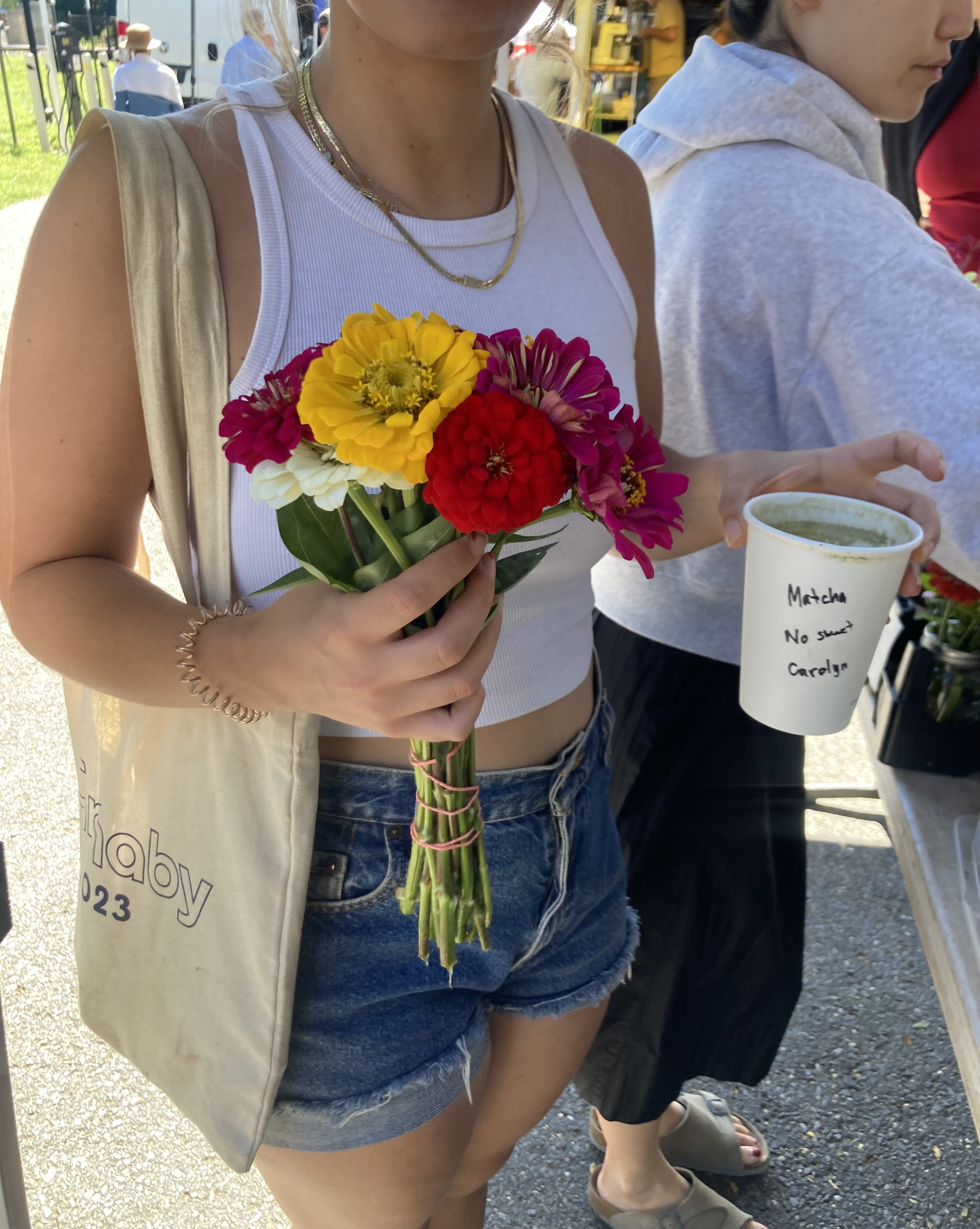
On this website, we talk A TON about nourishment. We aren’t dietitians, healthcare providers, or personal trainers selling a meal plan or advocating for a specific diet, but we are eaters who care. Naturally, what falls under the umbrella of nourishment—especially when it relates to food—is nutrition. So, we think it’s important to answer the simple yet deep question: “What is nutrition?”
Growing up, the one thing my mom would always emphasize when it came to healthy eating was, “La alimentación es primordial,” which translates to “Nutrition is essential.” She drilled this into my head over and over again—especially during the years I moved out to go to college. She knew that college would be the first time I would have full liberty—or better yet, the full responsibility—of tending to my needs. Those years meant no more home-cooked meals, and there was a season when I really needed to know that nutrition, and what I ate, truly mattered.
I think it is important to define nutrition because, as we have already mentioned, there is so much connected to this essential part of our survival. Yes, food is something we also experience as foodies—lovers of many spices, pairings, and flavors—but we are also human beings who simply need to fuel the tank. And sometimes, “regular” is not good enough.
Keep reading as we explore what nutrition is and how it shapes the way we live our lives, from people who eat intentionally and truly enjoy it.
Where Nutrition Is Being Prioritized

Lately, I’ve noticed a trend: nutrition, health, wellness, and intentional living are becoming priorities among young people. I have a theory that this rise in caring about what we eat came after the boom of Stanley Cups. Do you remember those? The giant water bottles carried primarily by young women—and the many social media memes that came poking fun shortly after. I still see a few people carrying them around even today, and their many shapes, colors, and sizes remain a reminder to hydrate.
Nowadays, while I’ll admit I still fall short on hydration, when I used to have a Stanley Cup, I never missed a beat. And somehow, drinking water and fueling my body with its biggest fan, H2O, led me to crave something different: lettuce.
Yes, I suppose this leafy green is mostly water, so it feels like a natural awakening. But even that craving led to more: peppers, beets, fruits, grains, nuts, and so much else in the category of nutritious food. I got pulled into the healthy eating world—and because I actually felt better, I started to care.
Now, I think I’m noticing the same shift among young people again. A generation raised on junk food and fast food is realizing there’s a better way. Even as a kid, I remember how central salt and vinegar chips were in my friend group. I know—it seems silly—but our small bodies and fast metabolisms never thought about how all that sodium and sugar (mostly from soda) would catch up to us. I’m sure you went through a similar phase, unless you’re perfect—in which case, forgive me for making such outrageous assumptions.
Young women especially are asking new questions, like “Why is nutrition important?” They’re discovering that the definition of nutrition isn’t just scientific—it’s practical, beautiful, and even tied to the rising nutrition aesthetic we see across social media. Wellness programs on college campuses, trends in the health industry, and influencers promoting vibrant, wholesome living all point to the same reality: caring about food is no longer just about dieting. It’s about choosing life, energy, and a way of eating that makes us thrive.
What is Nutrition? The Core Definition


Okay, if you’re here for the technical terms and definitions, hold your horses—I have them. Nutrition can be spiritualized, romanticized, and—let’s be honest—sometimes even greenwashed. However, there’s also a clear science to it.
So, what is nutrition? At its core, nutrition is the process by which our bodies take in and use food for growth, energy, and overall health. A simple way to remember the nutrition definition is this:
“Nutrition is nourishment for life.”
Now, to understand that fully, we also need to define what makes up nutrition: nutrients.
The nutrients definition is straightforward: nutrients are the substances in food that our bodies need to function properly. They are the building blocks of health and are divided into six main categories:
- Proteins – repair and build tissues
- Carbohydrates – provide energy
- Fats – support cell function and hormone health
- Vitamins – regulate processes in the body
- Minerals – strengthen bones, blood, and systems
- Water – the essential fuel that keeps everything running
So, when we define nutrients, we’re talking about the specific components of food. When we talk about nutrition, we’re talking about the bigger picture: how those nutrients work together to keep us alive, healthy, and thriving.
Yet, nutrition also has an industry type of definition, where professionals like dietitians and nutritionists get thrown into the mix.
From this perspective, nutrition food isn’t just about taste—it’s about evidence-based choices that promote long-term health. Whether it’s clinical dietetics, public health, or even the rising nutrition aesthetic on social media, these definitions shape how we see food in everyday life.
So, what is nutrition definition depends on the lens you look through:
- Personal nutrition – how you fuel your body day to day
- Scientific nutrition – the study of how nutrients function
- Professional nutrition – the guidance from experts like dietitians
- Cultural nutrition – the values and aesthetics tied to healthy eating
From Nutrition to Nourishment

Join our Mailing List
Sign up with us now and be the first one to know about our exclusive offers and product updates.
By submitting your information, you`re giving us permission to email you. You may unsubscribe at any time.
Nourishment goes beyond simply asking, “What is nutrition?” Stepping into a lifestyle of making healthy and intentional food choices creates an outstanding ripple effect. Call it the Stanley effect—or something greater—nutrition becomes something more powerful. It allows us to take control of how we treat the temples God gave us: our bodies. I remember in 2020, during the peak of the pandemic, how hyper-aware I was of everything that even came near my body. In that season of life, it was no longer just about what I was eating. It was also about how far away I was from someone, what kind of music I listened to, what I watched on TV, and so on. I realized that staying healthy was, at least in part, within my control.
During the social distancing era of 2020, I remember doomlessly scrolling and suddenly stopping at an illustration of a medicine cabinet. But instead of the usual items we see in an average home—Advil, prescriptions, antibiotics—the cabinet was filled with nature. Herbs, flower petals, teas, garlic cloves, onions, essential oils, bee pollen, raw honey, kombucha, vitamins and minerals, and mason jars of fermented remedies. That image struck me: this was the cabinet I wanted, a picture of holistic nutrition instead of the standard pharmaceutical lineup.
It made me ask: when did all these artificial medicines become normal? It’s a loaded question, but the deeper realization was simple: some of us are approaching medicine and food all wrong. Too often we use medicine to cope with the aftermath of unhealthy choices, instead of using food to prevent those health issues from arising in the first place. That’s why our perspective at Casting Organic is that nutrition isn’t just about fueling the body—it’s also a medicinal path, a way to bring nourishment to body and soul.
So, what is holistic nutrition? It’s the understanding that food is more than calories—it’s fuel, it’s healing, and it’s a form of God’s provision. When God created the heavens and the earth, He gave Adam and Eve everything they needed to survive in the garden. Of course, they had to do the work of maintaining it, but the gifts were already there. Thousands of years later, those same gifts remain with us: fruits, livestock, plants, and the abundance of the earth that can still care for us today.
Memorable Quotes & Takeaways
Sometimes the simplest words can stick with us the longest. To close out this section, here are a few nutrition definition quotes that bring the science of food into everyday life:
- “Nutrition is nourishment.”
- “Food is fuel, but God is the source.”
- “To define nutrition is to define how we live—it’s daily choices that shape energy, health, and joy.”
- “Healthy food is more than a diet; it’s God’s provision made visible.”
- “True nutrition isn’t just about eating—it’s about thriving.”
These short reminders answer the question “What is nutrition?” in a way you can carry into your day. Pick one and use it as a mantra when you’re planning meals, grocery shopping, or even pausing to give thanks before eating. Let it guide not only what goes on your plate, but also how you view food as part of God’s bigger story for your life.
Biblical Principles of Nourishment
The idea that nutrition is nourishment and that food is God’s provision is deeply rooted in Scripture. Here are 10 Bible verses where these truths hold firm:
- Genesis 1:29 – “Then God said, ‘I give you every seed-bearing plant on the face of the whole earth and every tree that has fruit with seed in it. They will be yours for food.’”
→ God provided food from the very beginning as a gift for our survival and joy. - Deuteronomy 8:3 – “Man does not live on bread alone but on every word that comes from the mouth of the Lord.”
→ Nutrition feeds the body, but God’s Word nourishes the soul. - Psalm 104:14-15 – “He makes grass grow for the cattle, and plants for people to cultivate—bringing forth food from the earth: wine that gladdens human hearts, oil to make their faces shine, and bread that sustains their hearts.”
→ God provides abundance and nourishment for both body and spirit. - John 6:35 – “Then Jesus declared, ‘I am the bread of life. Whoever comes to me will never go hungry, and whoever believes in me will never be thirsty.’”
→ Food sustains the body, but Christ sustains eternally. - Proverbs 27:27 – “You will have plenty of goats’ milk to feed your family and to nourish your female servants.”
→ Nutrition in daily life was seen as provision and blessing. - 1 Corinthians 6:19-20 – “Do you not know that your bodies are temples of the Holy Spirit… Therefore honor God with your bodies.”
→ Choosing nourishing foods is part of honoring God with the body He gave us. - Matthew 6:11 – “Give us today our daily bread.”
→ Every meal is an answered prayer and a reminder of God’s provision. - Isaiah 55:2 – “Why spend money on what is not bread, and your labor on what does not satisfy? Listen, listen to me, and eat what is good, and you will delight in the richest of fare.”
→ God calls us to true nourishment, not empty substitutes. - Ezekiel 47:12 – “Their fruit will serve for food and their leaves for healing.”
→ Plants, fruits, and natural foods are God’s design for healing and strength. - 3 John 1:2 – “Dear friend, I pray that you may enjoy good health and that all may go well with you, even as your soul is getting along well.”
→ God desires wholeness—body, mind, and spirit—through both physical and spiritual nourishment.
Conclusion: Living Out a 360° Definition of Nutrition
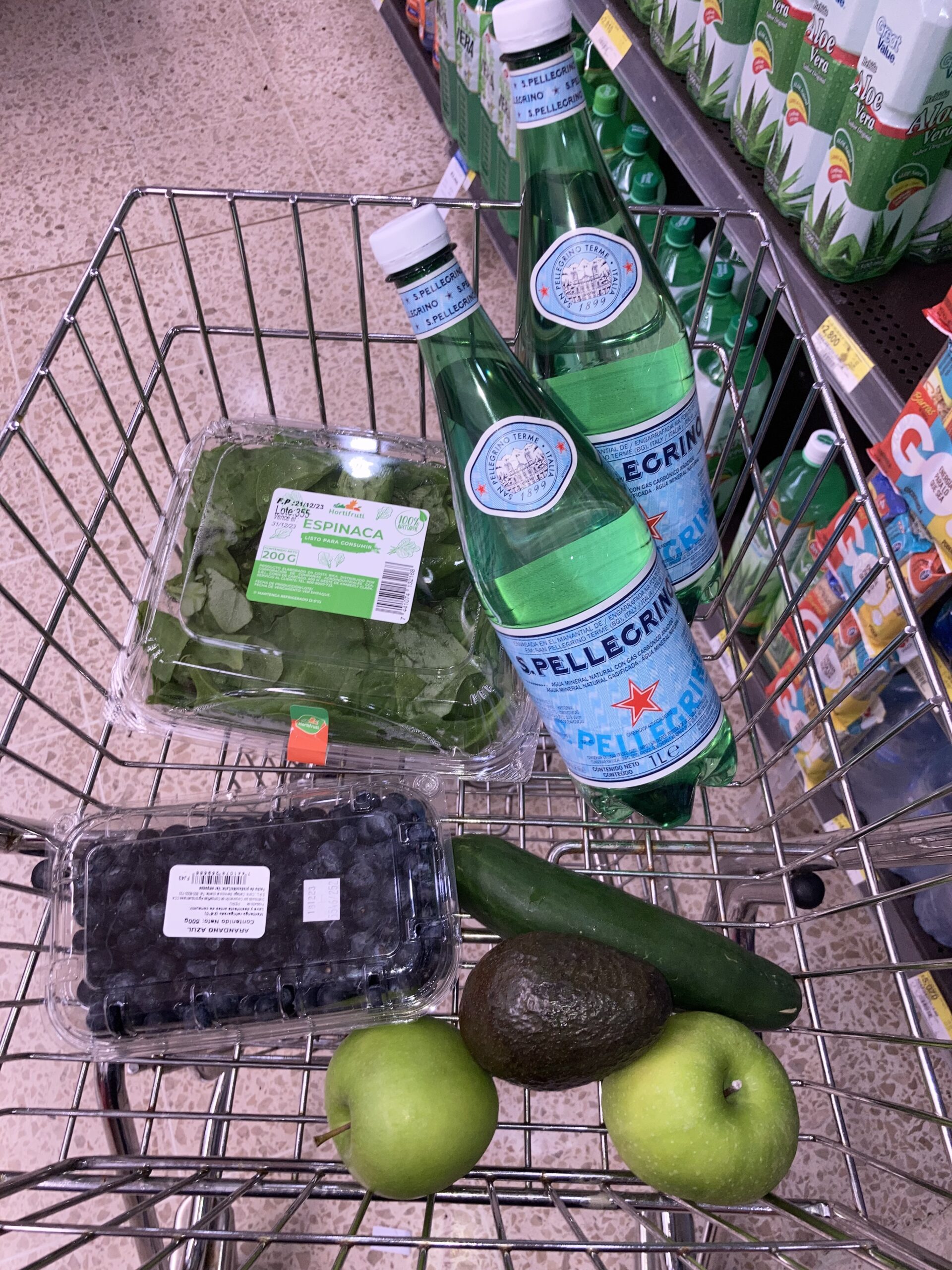
So, my mom was right. What she might have assumed came in one ear and went out the other, didn’t. Instead, it came in, took root, and became a seed planted in the front of my mind. Even though I haven’t always perfectly lived out her wisdom, I’ve always known this truth: the choices I make at the grocery store and bring home with me shape the days, months, and even years of my life.
So, what is nutrition? At its core, it’s both the science of nutrients—proteins, carbs, fats, vitamins, minerals, and water—and the practice of nourishment that impacts body, mind, and soul. Nutrition is not only about fueling our bodies but also about living intentionally and embracing food as God’s provision for us.
From a faith perspective, nutrition is part of honoring our bodies as temples of the Holy Spirit. Every bite becomes an opportunity to choose life, strength, and gratitude. Nourishment isn’t just physical—it’s spiritual. It’s about fueling energy for our calling, healing through God’s creation, and living with joy in the everyday.
If this post has encouraged you, I invite you to keep exploring how faith and wellness connect. You’ll find more reflections, practical tips, and encouragement in other posts here on Casting Organic—a space where food, faith, and intentional living come together.
✨ Want to go even deeper?
If this post helped you reflect on what nutrition really means, you’ll love exploring the idea of nourishment on a whole new level. Check out my post on the true meaning of “nourish” and how to sustain your body, mind, and spirit.